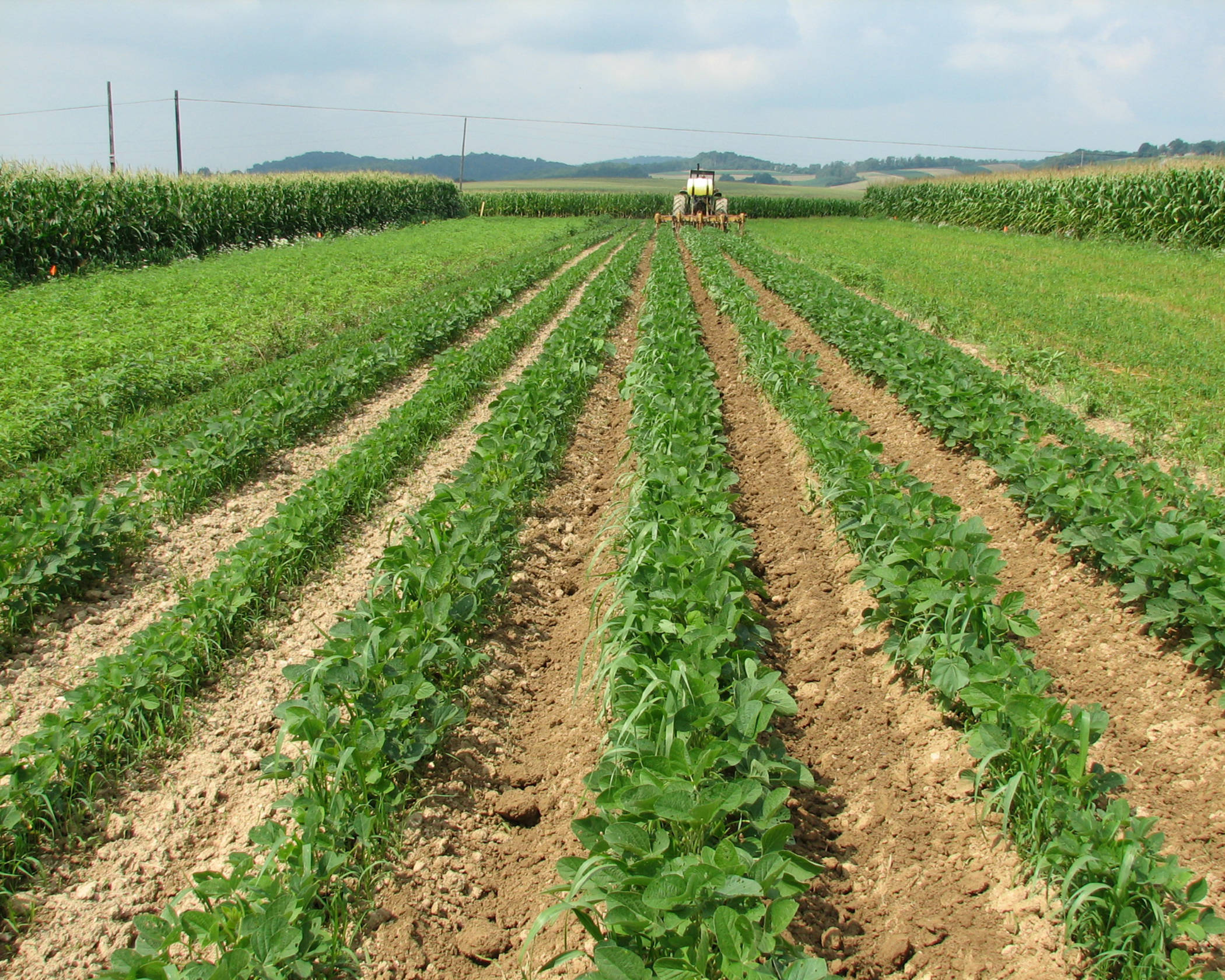
Agriculture/Crop Farming: An Overview
Agriculture forms the backbone of food security and rural economy. Different types of crop farming require specific management practices, but all depend on proper planning, soil health, and timely care.
-
Choose Crop and Market
Review demand, harvest window, transport and storage before selecting vegetables and field area.
-
Check Climate and Soil
Select crops suited to the season and soil. Test soil and water where possible and correct drainage with local advice.
-
Select Quality Seed
Use healthy seed or planting material from a reliable source and locally recommended varieties where available.
-
Prepare Field or Nursery
Remove diseased residue, add well-decomposed organic matter and prepare beds or ridges that drain safely.
-
Raise Healthy Seedlings
For transplanted crops, use a clean nursery medium, suitable shade and careful watering; discard unhealthy seedlings.
-
Plant at the Right Time
Sow or transplant in the local recommended season and spacing, then water gently for establishment.
-
Manage Water
Keep moisture steady without waterlogging. Adjust irrigation to soil, crop stage and rainfall.
-
Feed and Control Weeds
Base nutrients on soil results and crop guidance. Control weeds early without injuring roots.
-
Monitor Crop Health
Inspect often and prefer sanitation, rotation, traps and biological measures. Use registered products only as labels and experts direct.
-
Harvest and Sell
Harvest at market maturity, keep produce shaded, grade gently in clean crates and move it quickly to buyers or cooling.
Local guidance matters: Seasons, varieties, inputs, stocking, vaccination and treatment differ by district and production system. Confirm exact recommendations with your Krishi Vigyan Kendra (KVK), state agriculture, horticulture, fisheries or animal husbandry department, or a qualified veterinarian. Always follow registered product labels.
Food Grain Farming
Food grain farming is the cultivation of crops mainly for human consumption. Major examples include Rice, Wheat, Maize, Jowar, and Bajra. These crops form the staple diet in many countries and are essential for food security.
-
Land Selection – Choose fertile soil with good water availability.
-
Soil Testing – Analyze soil nutrients and pH to plan fertilizer use.
-
Ploughing & Leveling – Prepare a fine seedbed for proper germination.
-
Seed Selection – Use certified, high-yielding, disease-resistant seeds.
-
Sowing – Adopt suitable methods like broadcasting, line sowing, or transplanting.
-
Irrigation Scheduling – Provide water at critical growth stages.
-
Fertilizer Application – Apply organic manure and chemical fertilizers as recommended
-
Weed Control – Remove weeds manually or use herbicides.
-
Pest & Disease Control – Monitor crops and apply preventive measures.
-
Harvesting – Harvest at proper maturity for maximum yield
-
Storage & Marketing – Store grains safely and sell at the right market time.
Pulse Farming
Pulse farming is the cultivation of leguminous crops mainly grown for protein-rich food. Pulses are an important part of a balanced diet and also improve soil fertility.
Examples:
Pigeon pea (Red gram),
Mung bean (Green gram),
Urad bean (Black gram)
,
Chickpe,
-
Seed Treatment Mandatory – Protect seeds from soil-borne diseases before sowing.
-
Less Water Required – Pulses need comparatively less irrigation.
-
Nitrogen Fixation Advantage – Pulses improve soil fertility by fixing atmospheric nitrogen.
Oilseed Farming
Oilseed farming is the cultivation of crops mainly grown for extracting edible oil. These crops are important for cooking oil production and also used in food industries and animal feed.
Examples:
Peanut (Groundnut),
Mustard plant (Mustard),
Sunflower,
Soybean.
-
Light Soil Preparation – Ensure well-drained soil for root development.
-
Line Sowing – Maintain proper spacing for better growth
-
Balanced Nutrients – Provide essential nutrients based on soil test.
-
Pest Monitoring – Regularly inspect crops for early pest control
-
Timely Harvest – Harvest at correct maturity to maintain oil quality.
Commercial Crops
Commercial crops are crops grown mainly for sale and profit rather than for direct consumption. These crops are important for industries and export markets.
Examples:
Cotton,
Sugarcane,
Tobacco.
-
Long Duration Care – These crops require extended growing periods and continuous monitoring.
-
Higher Fertilizer Management – Require larger nutrient input for high yield.
-
Mechanized Harvesting Possible – Advanced machinery can be used for efficient harvesting in large-scale farming.
Encouragement for Small-Scale Agriculture Investment
Dear Aspiring Farmer
Embarking on the journey to start your own crop farm is a bold and meaningful step—one that holds the potential to provide stability, growth, and lasting benefits for you, your family, and your community. Here’s why investing in small-scale agriculture is a wise and fulfilling choice:
Personal Fulfillment & Growth
Crop farming offers more than financial rewards—it creates a deep connection with the land and the natural cycle of seasons. From preparing the soil to harvesting mature crops, every stage builds knowledge, patience, and resilience. Managing crops such as Rice, Wheat, or Maize helps you develop strong farm management skills and a sense of pride in feeding others.
Sustainable and Reliable Income
With proper planning and crop rotation, small-scale farming can generate steady income throughout the year. Growing a mix of food grains, pulses, or oilseeds spreads risk and ensures continuous cash flow. By adopting improved seeds, balanced fertilizers, and smart irrigation techniques, even a modest investment can produce strong and consistent returns.
Positive Community Impact
By cultivating crops locally, you directly contribute to food security and community well-being. Your farm supports local markets, laborers, and supply chains, strengthening the rural economy. Producing quality grains and vegetables ensures families have access to nutritious and affordable food.
Environmental Responsibility
Small-scale agriculture can promote sustainable practices such as crop rotation, organic manure application, water conservation, and soil testing. These practices maintain soil fertility, reduce chemical overuse, and protect natural resources. Your farm can become a model of responsible and eco-friendly farming.
Flexibility and Independence
Owning a crop farm gives you the freedom to decide what to grow, how to grow it, and when to sell it. You can experiment with new crop varieties, adopt modern farming techniques, or explore organic production. The flexibility allows you to adapt to market demand and seasonal conditions while staying true to your goals.
Creating a Legacy
A farm is more than just land—it is a long-term investment in your family’s future. It teaches hard work, responsibility, and respect for nature. By starting today, you are building a foundation that can support generations and create lasting prosperity.
Remember, every successful agriculture enterprise once began with a small piece of land and a determined farmer. With dedication, proper crop planning, careful soil and water management, and thoughtful investments, you can lay the foundation for a thriving agriculture or crop farming venture. With patience and consistent effort, your hard work can grow into a sustainable and profitable farming success story for years to come.
Wishing you the best of luck on your agriculture farming journey!
Warm regards,
Valipi Reddy
CEO, IMFORU PVT. LTD