Floriculture Farming
Floriculture is the cultivation and management of flowering and ornamental plants for gardens, decoration, and commercial use. It includes growing flowers such as roses, marigolds, lilies, and orchids for bouquets, landscaping, and the floral industry. ?
-
Study the Market
Identify demand for loose or cut flowers, garlands or landscaping plants, including grade and festival timing.
-
Choose Crop and System
Select a listed flower suited to local climate and available open or protected cultivation.
-
Check Site and Resources
Confirm drainage, clean water, labour, roads and reliable power and ventilation where structures are used.
-
Use Healthy Material
Buy true-to-type seed, bulbs, cuttings or tissue-culture plants from a reliable nursery.
-
Prepare Beds and Soil
Use drained beds where needed, remove diseased residue and add safe decomposed organic matter.
-
Plant for the Target Window
Schedule from the desired sale period and use crop spacing that permits airflow and worker access.
-
Manage Water and Nutrition
Keep root moisture even and use soil or media testing and crop-stage advice for inputs.
-
Train and Maintain
Pinch, stake, prune, disbud or support as required; remove weeds and damaged tissue promptly.
-
Monitor Crop Health
Inspect buds, flowers and leaves; emphasise sanitation, exclusion, traps and biological measures.
-
Harvest and Dispatch
Pick at buyer stage in cool hours, use clean tools, grade quickly and protect flowers from heat.
Local guidance matters: Seasons, varieties, inputs, stocking, vaccination and treatment differ by district and production system. Confirm exact recommendations with your Krishi Vigyan Kendra (KVK), state agriculture, horticulture, fisheries or animal husbandry department, or a qualified veterinarian. Always follow registered product labels.
Types of Floriculture Crops
Floriculture includes a wide range of flowers grown for decorative and commercial uses, cultivated for cut flower markets, nurseries, and export.
-
Rose - most commercially important cut flower with high market demand
-
Carnation widely used in bouquets and wedding decorations
-
Chrysanthemum popular for garlands, temples, and exports
-
Orchid exotic and premium flower with high export value
-
Gerbera bright and colorful, widely used in floral arrangements
-
Lily valued for its fragrance and decorative beauty
-
Marigold most commonly grown flower in India for festivals and rituals
-
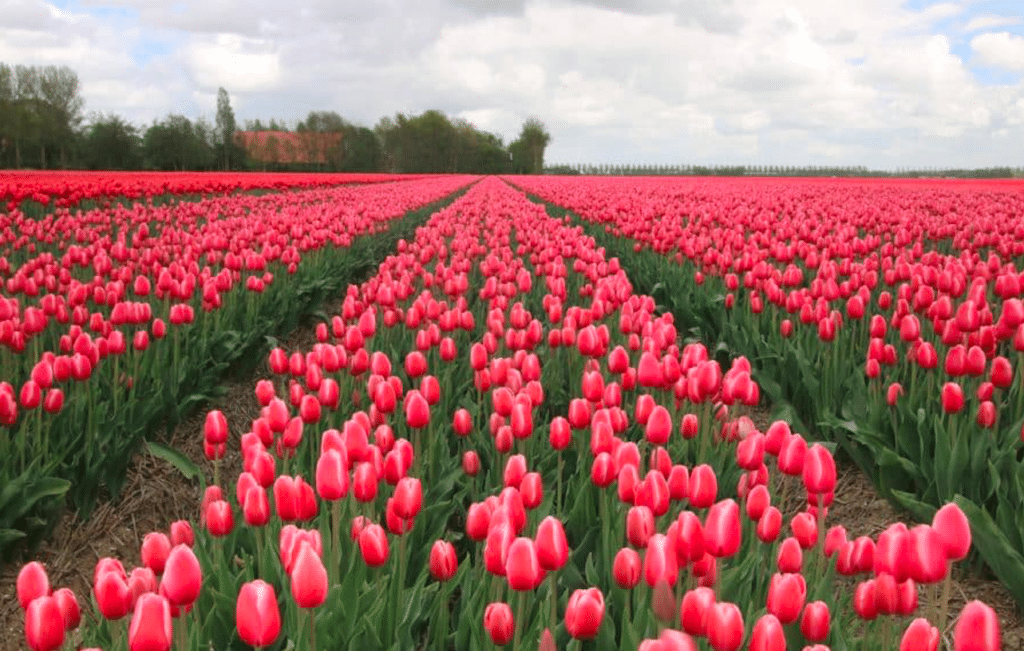
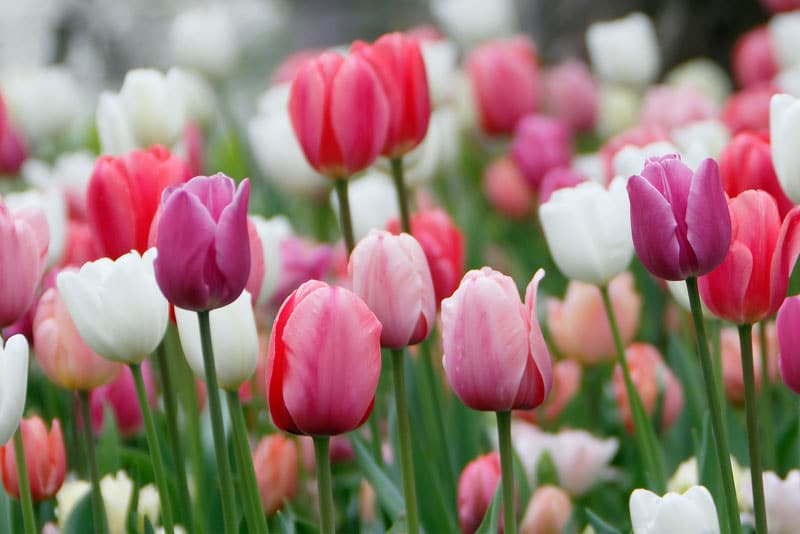
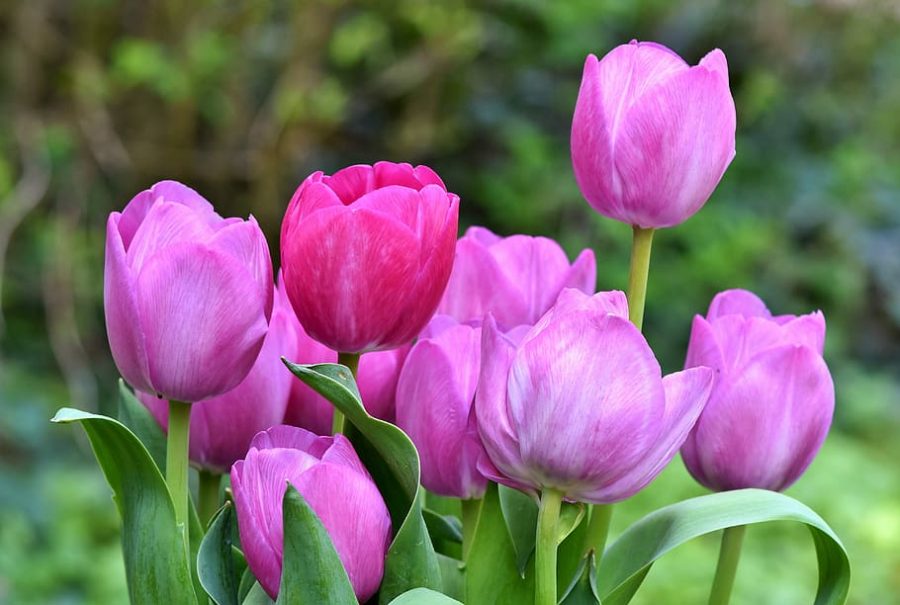
Tulip grown in cool climates with high ornamental value
Rose Cultivation
Roses are the most commercially important floriculture crop grown for cut flowers, rose water, and essential oils with high domestic and export demand.
-
Over 150 commercial varieties available in India
-
Requires well-drained, fertile soil and full sunlight
-
Year-round production possible with proper care
-
Major growing regions: Karnataka, Maharashtra, West Bengal, Tamil Nadu
-
High returns with proper cold chain management
Marigold & Chrysanthemum
Marigold and chrysanthemum are major bulk flower crops used in festivals, garlands, and religious offerings throughout India. They are easy to grow and highly profitable.
-
Marigold grown across India, easy to cultivate with high yield
-
Chrysanthemum major crop for exports to Japan and Europe
-
Short crop cycle of 60-90 days
-
High demand during festival seasons like Diwali and Dussehra
Orchid, Lily & Premium Flowers
Orchids, lilies, gerbera, carnations, and tulips are premium floriculture crops with high export value requiring controlled environments.
-
Orchids require 70-80% humidity and indirect light
-
Lily bulbs imported for high-value production
-
Gerbera grown in protected structures for year-round supply
-
Carnations grown in polyhouses for export quality
-
Tulip cultivation expanding in Kashmir and Himachal Pradesh
Encouragement for Small-Scale Horticulture Investment
Long-Term Income Opportunity
Floriculture farming offers farmers a stable and long-term source of income. Once fruit trees mature, they can produce harvests for many years, providing consistent returns with proper care and management.
Sustainable Agricultural Practice
Growing Floriculture farming supports environmentally friendly farming. Fruit trees help improve soil quality, reduce erosion, and contribute to a greener ecosystem while producing healthy and natural food.
Scalable and Future-Ready Farming
Fresh flowers allows farmers to start with a small plantation and gradually expand. With proper planning, modern irrigation systems, and improved varieties, orchards can become highly profitable agricultural enterprises.
Remember, every successful modern farming enterprise once began with a small experiment and a strong vision. With dedication, smart planning, continuous learning, and thoughtful investment in technology, you can build a solid foundation for a thriving Modern & Smart Farming venture. Stay adaptable, embrace innovation, and manage your resources wisely—your small beginning today can grow into a highly productive and future-ready agricultural enterprise tomorrow.
Wishing you the best of luck on your Modern & Smart Farming journey!
Warm regards,
Valipi Reddy
CEO, IMFORU PVT. LTD